Universal TPMS vs OEM Sensors: The Fleet Manager's Complete Guide
In the world of fleet management, ensuring the safety and efficiency of your vehicles is paramount. One crucial component in this equation is the Tire Pressure Monitoring System (TPMS). Fleet managers often face a choice between universal TPMS sensors and Original Equipment Manufacturer (OEM) sensors. This guide will explore the differences, advantages, and considerations for selecting the right TPMS for your fleet.
Understanding TPMS: The Basics
TPMS is designed to monitor the air pressure inside the tires of your fleet vehicles. Maintaining proper tire pressure is essential for safety, fuel efficiency, and tire longevity. There are two main types of TPMS: universal sensors and OEM sensors.
What are Universal TPMS Sensors?
Universal TPMS sensors are aftermarket solutions that can fit a wide range of vehicles, making them a versatile option for fleet managers. These sensors are designed to be compatible with multiple car brands and models, reducing the need for stocking various OEM parts.
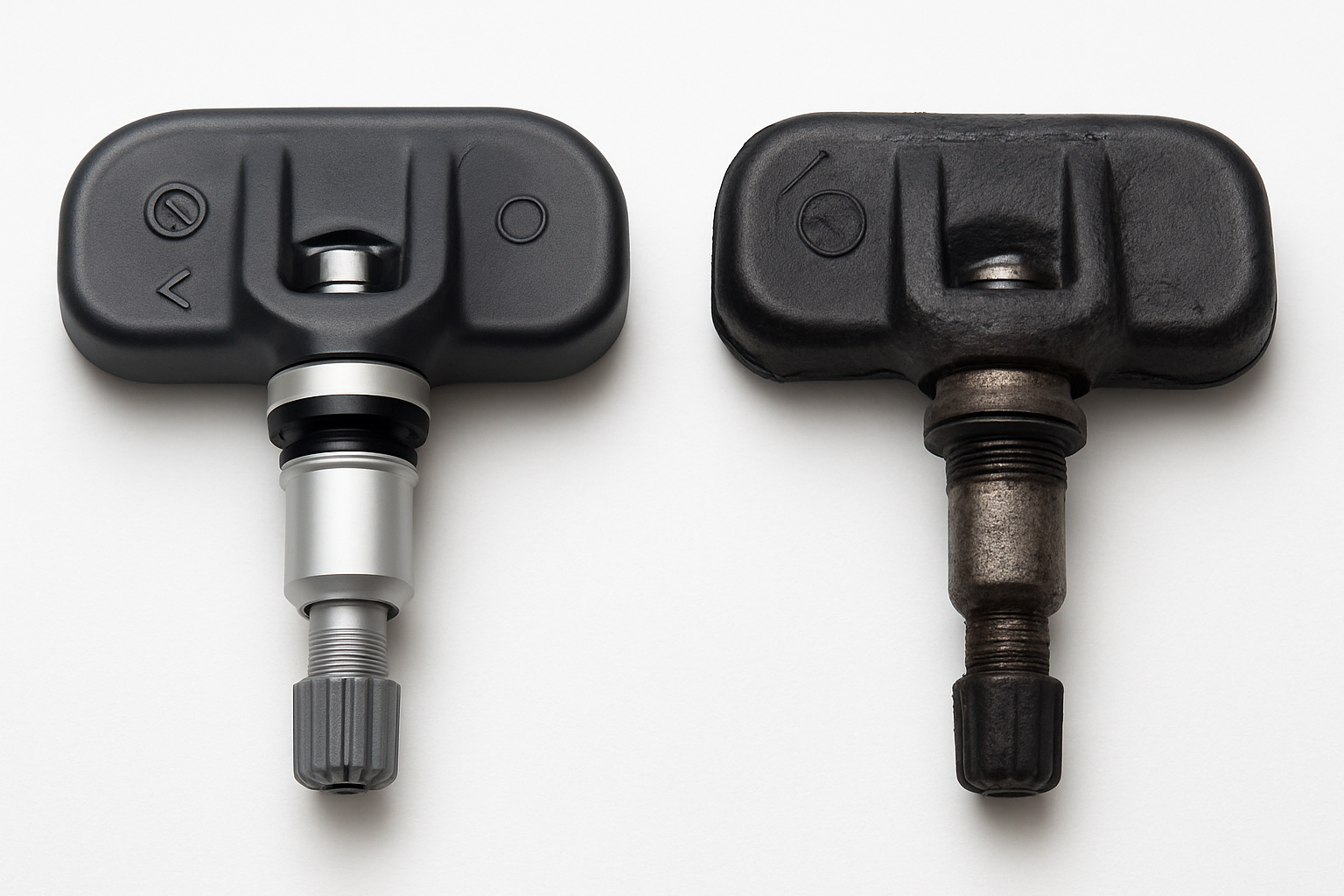
- Cost-effective: Universal TPMS sensors typically cost between $20 and $50 each, significantly less than OEM sensors, which can range from $50 to over $100.
- Ease of installation: Many universal sensors come with easy installation processes that do not require specialized tools.
- Flexibility: They can be reprogrammed to work with different vehicles, making them ideal for fleets with diverse vehicle makes and models.
What are OEM TPMS Sensors?
OEM TPMS sensors are manufactured by the vehicle’s original manufacturer and are specifically designed for that particular model. While they offer a guaranteed fit and function, they can be more expensive and less flexible compared to universal options.
- High reliability: OEM sensors are designed to meet the exact specifications of the manufacturer, ensuring consistent performance.
- Warranty and support: Using OEM parts often means better warranty options and support from the manufacturer.
- Specificity: They are tailored for specific vehicle models, which might be essential for maintaining vehicle integrity in high-performance fleets.
Comparing Performance: Universal vs. OEM
When comparing universal TPMS sensors to OEM sensors, several performance factors come into play:
- Accuracy: OEM sensors are typically more accurate due to their design specificity. Fleet managers should consider the importance of precise tire pressure readings in their operational context.
- Durability: OEM sensors may offer higher durability in extreme conditions due to their quality materials and engineering standards.
- Maintenance: Universal sensors may require more frequent recalibration or reprogramming, especially when switching vehicles.
Cost Considerations for Fleet Managers
Budget constraints are a significant factor for fleet managers. While universal TPMS sensors are more affordable, the total cost of ownership should be evaluated. For example, if a fleet of 50 vehicles requires sensor replacements:
- Using universal sensors at an average cost of $30 each totals $1,500.
- Using OEM sensors at an average cost of $75 each totals $3,750.
However, if the universal sensors have a higher failure rate leading to additional labor costs, the long-term savings may diminish.
Making the Right Choice for Your Fleet
The decision between universal TPMS sensors and OEM sensors should be based on factors such as:
- Vehicle variety within the fleet.
- Budget constraints and expected maintenance costs.
- The importance of warranty and manufacturer support.
- Operational requirements for accuracy and durability.
Ultimately, each fleet manager must weigh these considerations carefully to make an informed decision that aligns with their operational needs.
Frequently Asked Questions
Q: Can universal TPMS sensors work with my specific vehicle model?
A: Yes, universal TPMS sensors are designed to be compatible with a wide range of vehicle makes and models. However, it is essential to check the specifications and compatibility before purchasing.
Q: Are OEM sensors worth the extra cost?
A: If your fleet relies heavily on the specific performance and reliability of OEM parts, the extra cost may be justified. They offer precise compatibility and quality assurance.
Q: How often should I replace my TPMS sensors?
A: It is recommended to replace TPMS sensors every 5 to 7 years or when they show signs of malfunction. Regular checks can help maintain tire health and safety.
Ready to optimize your fleet with the right TPMS sensors? Get a B2B Quote →
Related Articles
Sources & References
Need TPMS Sensors or Certified Wheels?
Join 2,000+ B2B distributors. Minimum order from 50 units. 8-week lead time.
JOIN B2B PROGRAM →