Opening: A Common Tragedy
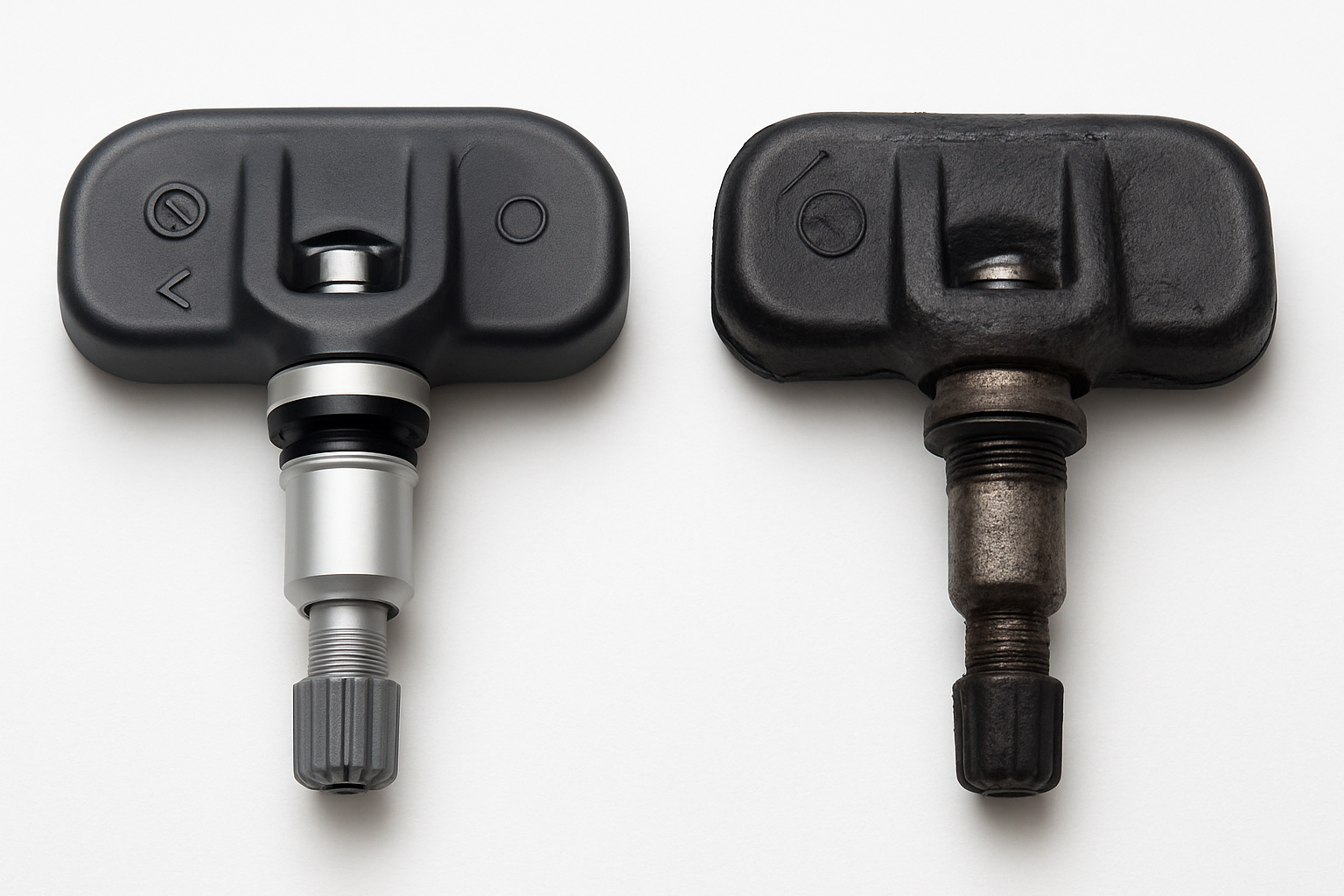
It starts with a simple search: "OE TPMS sensor discount." A repair shop owner, looking to save a few dollars for a customer, finds a listing on eBay or Amazon promising "OEM replacement" sensors at half the price. The product looks genuine—same shape, same markings. But three months after installation, the sensor fails. The tire loses pressure slowly, the driver notices nothing until the sidewall is ruined. The cost? Double the labor for a replacement, a new sensor, and a new tire. This scenario plays out thousands of times a year.
Truth #1: What Is a "Fake OEM" Sensor?
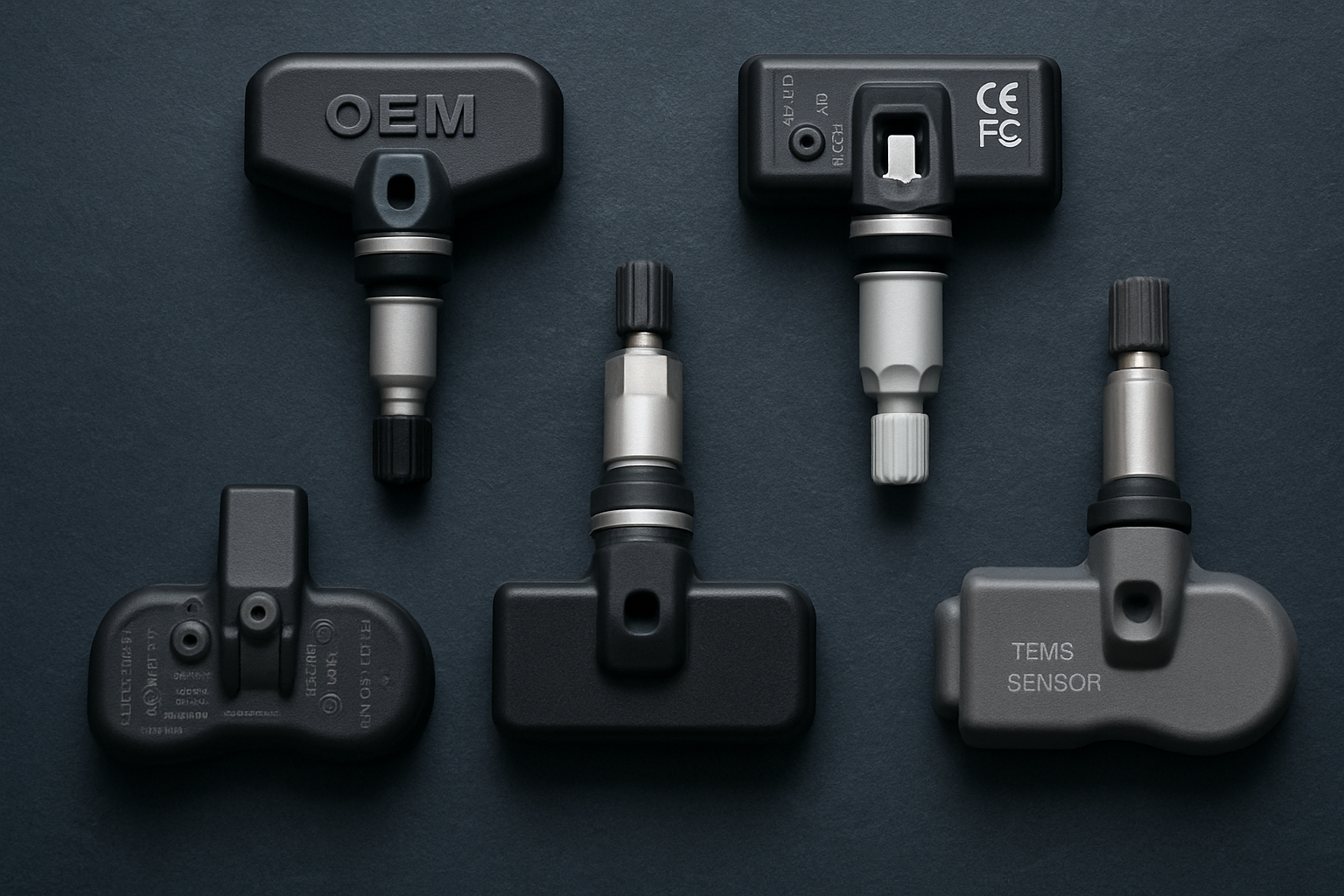
The market for low-cost TPMS sensors is flooded with what we call "fake OEM" units. These are not genuine original equipment parts. Instead, they come from three main sources: factory B-stock (units that failed quality control but were sold off), counterfeit products with fake branding, and refurbished units that have been cleaned up and resold. While they may look identical to the real thing, the internal components—the chip, the sealing ring, and the battery—are completely different. A genuine OEM sensor is designed to last 5–7 years; a fake one may die in 6–12 months.
📊 官方數據支持: NHTSA TPMS Effectiveness Study (DOT HS 811 681) shows that properly functioning TPMS reduces the rate of severely underinflated vehicles by 55.6%. NHTSA estimates properly functioning TPMS can prevent 79–144 fatalities and up to 10,000 injuries annually. A counterfeit sensor that fails silently eliminates this protection entirely — and gives the driver false confidence that their tires are being monitored.
Trap #2: The "Discontinued by Manufacturer" Pitch
eBay and Amazon sellers often use phrases like "OEM discontinued, last stock found" or "OEM spec, unbranded version." This is a clever workaround to avoid trademark infringement while making buyers feel like they've scored a rare deal. In reality, these sensors are mass-produced in low-cost factories with no quality control. The "unbranded" label hides the fact that the sensor has never been tested for compatibility with your vehicle's system. It's a gamble—and the house always wins.
The Hidden Cost of Cheap: Installation, Repair, and Safety Risks
Let's break down the numbers. A counterfeit TPMS sensor costs $15–$25, compared to $40–$80 for a genuine or high-quality aftermarket unit. But the counterfeit sensor's average lifespan is 6–12 months. When it fails, you pay for: a second installation (labor $20–$40), a new sensor ($15–$25 again), and potentially a damaged tire ($100–$300). That brings the total to $135–$365—far more than the cost of a reliable sensor from the start. Worse, unreliable signals can cause false alarms or, more dangerously, fail to alert the driver to a real leak. Safety is not a place to cut corners.
Why Legitimate B2B Wholesale Channels Are More Reliable
Reputable distributors like NexAutoGear source their sensors directly from OEM and ODM factories with traceable production batches, battery certifications (e.g., UL, CE), and clear warranty policies. When you buy from a B2B supplier, you get consistency: every sensor in a batch is identical, tested, and backed by support. You also get technical documentation—datasheets, installation guides, and compatibility lists—that eBay sellers cannot provide. For a repair shop or fleet manager, this reliability translates into fewer comebacks and happier customers.
Wheel and Sensor Matching: Aftermarket ≠ Compatible
One of the biggest issues with cheap sensors is poor fitment. The valve stem material (rubber vs. metal), torque specifications, and antenna reception angle all matter. A mismatch can cause air leaks around the valve or even sensor detachment at high speed. NexAutoGear's wheel-and-sensor combos are pre-tested for perfect fit, ensuring that the sensor sits correctly and communicates reliably with your vehicle's TPMS system. Don't let a $10 saving cost you a wheel.
How to Identify a Truly Reliable Aftermarket Sensor
Before you buy, ask these four questions: (1) Does the sensor have a production batch number and date code? (2) Is the battery from a known brand like Maxell or Panasonic? (3) Does the seller offer at least a 2-year warranty? (4) Will they provide a technical datasheet? If the answer to any of these is no, walk away. A reliable supplier will be transparent about their product's specifications and origin.
Conclusion: Advice for B2B Buyers
Don't look at unit price alone—look at total cost of ownership (TCO). A sensor that costs twice as much but lasts five times longer is the real bargain. Choose a supplier like NexAutoGear that offers technical support, batch consistency, and stable long-term inventory. Your customers' safety and your shop's reputation depend on it. Save smart, not cheap.
Related Articles
Sources & References
Need TPMS Sensors or Certified Wheels?
Join 2,000+ B2B distributors. Minimum order from 50 units. 8-week lead time.
JOIN B2B PROGRAM →