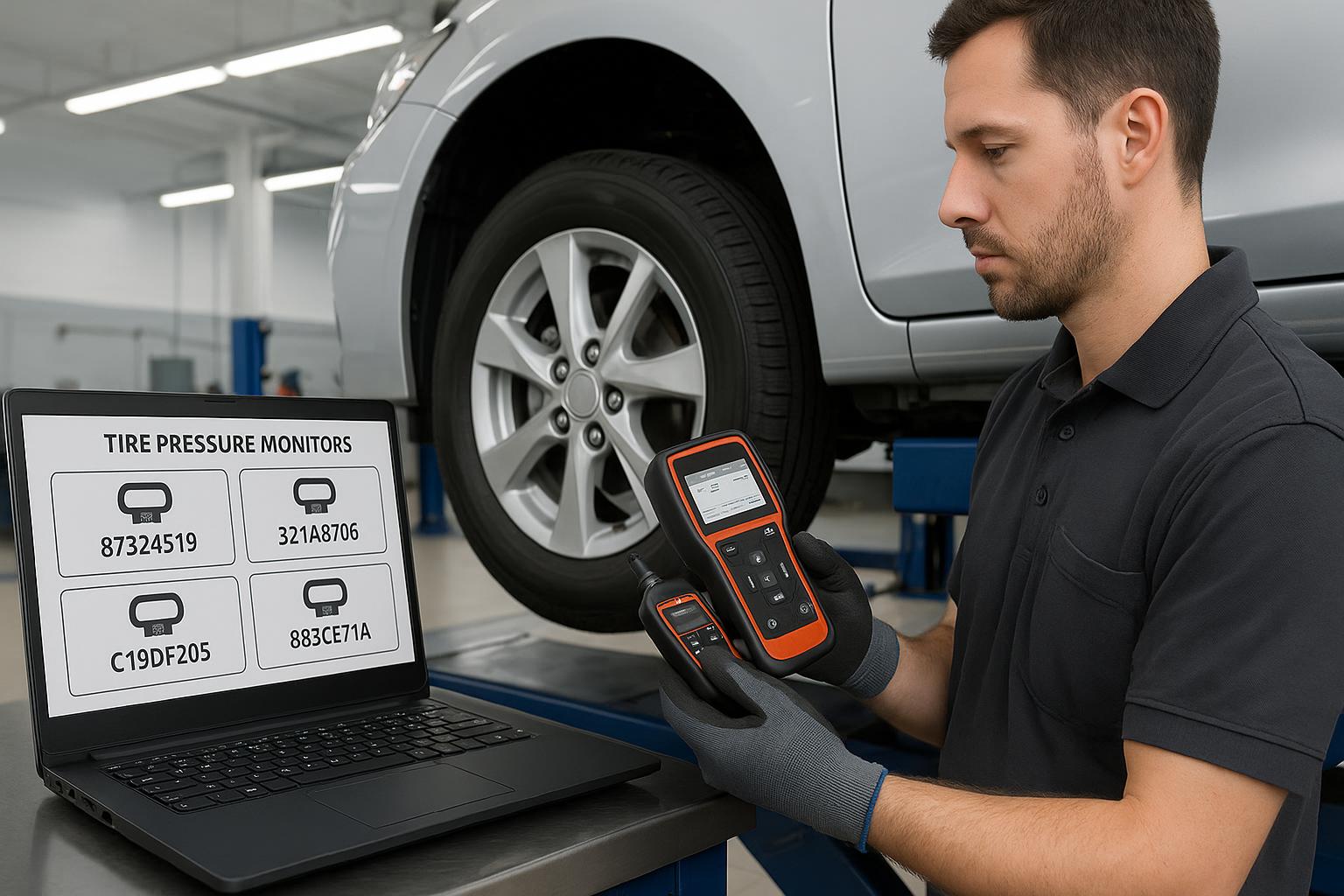
TPMS became federally mandated on all new passenger vehicles sold in the United States starting in 2008. Eighteen years later, the regulatory landscape has expanded — and most shops are operating with an incomplete picture of what's actually required, what's changing, and where the liability sits when something goes wrong.
This guide covers the actual rules, the common compliance gaps, and what changes are coming.
Federal Baseline: What FMVSS 138 Requires
The foundational U.S. regulation is FMVSS 138 (Federal Motor Vehicle Safety Standard 138), established by NHTSA. The core requirements:
- All passenger cars, multipurpose passenger vehicles, trucks, and buses with a GVWR of 10,000 lbs or less manufactured after September 1, 2007 must be equipped with a TPMS
- The system must warn the driver when any tire is 25% or more below the vehicle manufacturer's recommended inflation pressure
- The warning must activate within 20 minutes of the pressure drop
- The TPMS malfunction indicator must alert the driver if the system itself fails
📊 NHTSA Effectiveness Data — DOT HS 811 681: The NHTSA study on TPMS effectiveness (DOT HS 811 681) found that mandatory TPMS under FMVSS 138 reduced the rate of vehicles with at least one severely underinflated tire (≥25% below recommended) by 55.6% — from approximately 26% of passenger cars before TPMS mandate to around 11.5% after widespread adoption. NHTSA estimated the technology has the potential to prevent 79–144 fatalities and 6,000–10,000 injuries annually. This is the official federal data behind why FMVSS 138 compliance is non-negotiable for any shop serving the U.S. market.
The standard applies to OEM systems only — it governs vehicle manufacturers, not repair shops. However, the downstream implications for shops are significant.
The Shop's Actual Legal Exposure
Federal law doesn't directly regulate how aftermarket shops handle TPMS service — but multiple liability channels create real exposure:
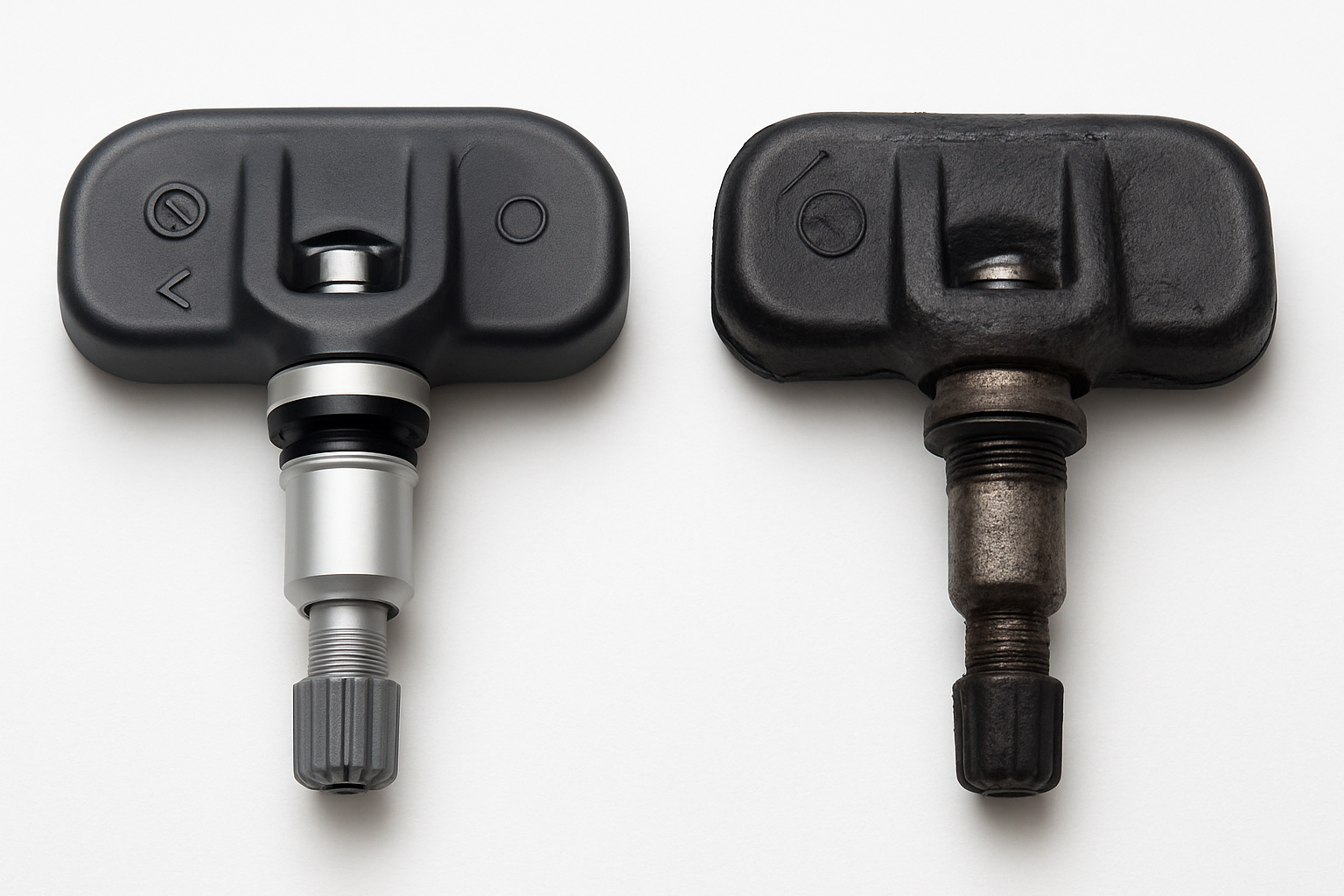
State inspection requirements: Several states require TPMS functionality as part of annual vehicle safety inspections. A shop that disables or fails to restore TPMS function during service can fail its customer's vehicle at inspection — which comes back to the shop.
States with TPMS inspection requirements include: California, New York, Pennsylvania, Texas (commercial vehicle inspections), and others. Requirements vary — confirm your state's current rules with your state DMV or inspection authority.
Negligence liability: If a shop services tires, installs wheels, or performs any work that requires removing and reinstalling a sensor, and the sensor is not properly reinstalled, programmed, or tested, and a subsequent tire failure causes an accident — the shop's service record is part of the legal discovery. This isn't theoretical: there are documented cases of shop liability in TPMS-related incidents.
EPA refrigerant analogy: Like refrigerant handling, TPMS sensor disposal and sensor battery protocols are increasingly included in state environmental and safety regulations. Know your state's requirements.
What Actually Happens at Service
The most common TPMS compliance failure in shops isn't legal ignorance — it's procedural:
Sensor not programmed after wheel swap: A new aftermarket sensor installed without being programmed to the vehicle's receiver will not trigger the warning light correctly. The customer leaves with a TPMS malfunction indicator on — or worse, with a sensor that appears active but doesn't actually monitor pressure.
Relearn procedure skipped: After any tire rotation or sensor replacement, most vehicles require a relearn procedure to reassociate sensor IDs with wheel positions. Skipping this means the system can't correctly identify which tire is low — it may alert for the wrong corner or not alert at all.
Service kit not replaced: Every TPMS sensor uses a valve stem service kit: valve core, cap, nut, and grommet. These components have defined replacement intervals — typically every tire change. A corroded grommet can cause slow pressure loss past the valve stem, which the sensor won't detect because the leak is at the seal, not inside the tire.
Snap-in rubber stem on metal valve hole: Mixing rubber and metal valve stem components creates corrosion risk at the contact point. Match metal-to-metal or rubber-to-rubber depending on your wheel's valve hole type.
Aftermarket Sensors: The Regulatory Gray Zone
Federal law doesn't prohibit the sale of aftermarket TPMS sensors, but it does require that any installed system meet the FMVSS 138 functional requirements. A sensor that doesn't correctly signal within the 20-minute window, doesn't trigger the malfunction indicator when failed, or doesn't communicate the correct pressure threshold doesn't comply — regardless of whether it was sourced from a discount supplier or a premium brand.
The shop installs it. The shop is accountable for whether it works correctly.
This is the underlying reason that sourcing matters more than price in TPMS supply chains. A sensor that passes basic bench tests but fails in-vehicle relearn on 10% of platforms, or whose battery dies at 18 months, isn't a cost savings — it's a liability that shows up in your service records.
What's Changing: 2025–2027 Regulatory Trends
Canada (2027): Canada is implementing updated TPMS requirements for light-duty vehicles by 2027, aligning more closely with U.S. FMVSS 138. Canadian shops and any U.S. suppliers serving Canadian dealers need to prepare for expanded coverage requirements on model years that currently have exemptions.
EV proliferation impact: Electric vehicles run higher tire inflation pressures than equivalent ICE vehicles (often 45–50 PSI vs. 32–38 PSI) due to increased weight from battery packs. NHTSA research indicates that EV TPMS systems are experiencing different failure patterns than ICE vehicles — higher sensor operating temperatures from wheel proximity to battery cooling systems, and more frequent pressure variation from regenerative braking thermal effects. Shops that service EVs should verify that their sensor inventory includes EV-compatible units rated for higher operating temperatures.
Direct vs. Indirect systems: Most U.S. vehicles use direct TPMS (physical sensor in each wheel). Some European-market vehicles sold in the U.S. use indirect TPMS (ABS-based speed differential monitoring). Shops need to identify which system a vehicle uses before servicing — the service procedure is completely different, and indirect systems require no sensor hardware.
Practical Compliance Checklist for Shops
- [ ] Verify TPMS function before and after any wheel or tire service
- [ ] Complete manufacturer-specified relearn procedure after all four tires rotated or replaced
- [ ] Replace valve stem service kit every tire change
- [ ] Document sensor serial numbers in service record for any sensor replacement
- [ ] Use a TPMS tool with current database updates (check for updates quarterly)
- [ ] Confirm sensor is programmed and communicating before vehicle leaves the bay
- [ ] Know your state's inspection requirements for TPMS functionality
Where to Source Sensors That Actually Comply
A TPMS sensor that complies with FMVSS 138 requirements isn't just a marketing claim — it requires specific testing: pressure accuracy across temperature range, signal timing validation (within 20-minute threshold), malfunction indicator triggering, and battery life verification under thermal cycling.
Ask your supplier for documentation of compliance testing. A supplier that can't produce it is selling sensors whose compliance status is unknown.
NexAutoGear provides batch-traceable sensors with documented compliance testing and FAE support for relearn procedures across all platforms. Contact us for a compatibility review before your next bulk order.
Frequently Asked Questions
Potentially yes. Federal law (FMVSS 138) governs vehicle manufacturers, not shops directly—but a shop's service record becomes part of legal discovery in any accident case involving tire failure. If the shop installed a sensor that failed to meet the 20-minute warning threshold or the malfunction indicator requirement, and a pressure-related incident occurred, the shop's liability exposure is real. Sourcing sensors with documented compliance testing is the correct risk mitigation.
Direct TPMS uses a physical sensor inside each wheel (the type most U.S. vehicles use). Indirect TPMS uses ABS wheel speed sensors to detect pressure loss via speed differential—no hardware in the wheel. Most European-market vehicles sold in the U.S. and some Toyota/Lexus models use indirect systems. Identify using a TPMS diagnostic tool with current database: direct systems will show sensor IDs; indirect systems show no sensor data. Service procedures are completely different—indirect systems require no sensor hardware replacement.
Increasingly yes. EVs run higher inflation pressures (45–50 PSI vs. 32–38 PSI for ICE), and their sensors experience higher operating temperatures from battery cooling system proximity and regenerative braking thermal effects. NHTSA research documents different failure patterns in EV TPMS systems. Shops servicing EVs should verify their sensor inventory includes units rated for higher operating temperatures and pressure ranges. NEXAutogear stocks EV-compatible TPMS sensors—contact us for platform-specific compatibility confirmation.
Ready to work with a TPMS specialist? Contact NEXAutogear →
Related Articles
Sources & References
- NHTSA — FMVSS 138 Final Rule (PDF)
- Cornell LII — 49 CFR § 571.138 TPMS Standard Text
- Federal Register — FMVSS 138 TPMS Rulemaking
- NHTSA DOT HS 811 681 — TPMS Effectiveness Study (55.6% reduction in underinflated tires)
- NHTSA TireWise Program — Official TPMS Consumer Guide
- TPMSDirect — Is TPMS Mandatory? Regional Overview
Need TPMS Sensors or Certified Wheels?
Join 2,000+ B2B distributors. Minimum order from 50 units. 8-week lead time.
JOIN B2B PROGRAM →